
TMJ & Headache Treatment in Stamford, CT | Non-Invasive, Drug-Free Relief
If you have suffered from chronic headaches, migraines, jaw pain, or unexplained facial pain that never quite gets diagnosed, the answer may be your bite. Dr. Jerry Simon, author of Stop Headaches Now and one of the country’s most experienced clinicians in bite-related pain, leads our headache and TMJ treatment program.
.webp)

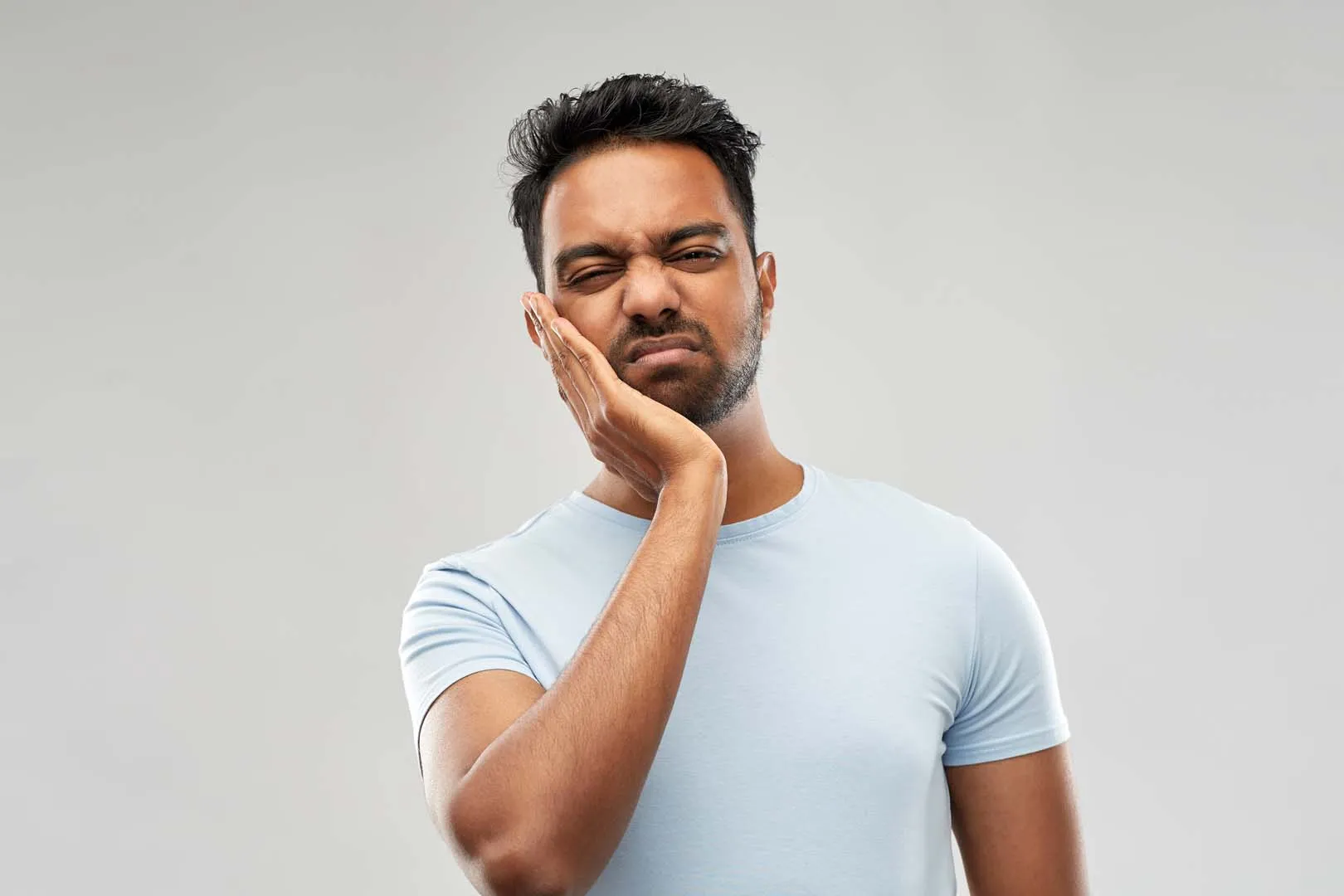
Experience Treating Jaw Pain and Bite-Related Headaches
Studies show that over 70 percent of chronic head, neck, and facial pain, including many migraines, actually originates from overactive jaw muscles and bite imbalances rather than from stress, sinus issues, or “just tension” as commonly assumed. That means millions of people with recurring headaches have never had the real cause diagnosed, let alone treated.
At Dental Care of Stamford, our TMJ and headache treatment program is built specifically for these patients. It is led by Dr. Jerry Simon, founder of our practice and author of Stop Headaches Now, with more than 30 years of experience treating jaw pain and bite-related headaches. Patients travel from across the country specifically for his non-invasive, drug-free approach, one that relies on the FDA-approved Best Bite Discluder diagnostic to determine, often in a single visit, whether your bite is the source of your pain. When it is, treatment typically delivers lasting relief without drugs, surgery, or Botox.
Our Diagnostic Approach, Answers
in a Single Visit
Most TMJ and headache programs rely on symptom review and jaw imaging alone. We go further with a layered diagnostic approach:
.svg)
Comprehensive clinical exam
We examine your jaw joints, muscles of mastication, neck, and shoulders, testing range of motion, tenderness, and joint sounds.
.svg)
Bite analysis
Detailed evaluation of how your upper and lower teeth fit together, including measurement of bite forces and identification of tooth contacts that may be causing muscle overactivity.
.svg)
FDA-approved Best Bite Discluder test
Our diagnostic tool places a small, carefully designed appliance between your teeth for a few minutes. If your symptoms reduce or disappear while wearing it, we know your bite is contributing to your pain. This is fast, painless, and highly diagnostic, often producing the “aha” moment that years of other testing never delivered.
.svg)
Imaging as needed
Digital X-rays, panoramic imaging, and 3D cone-beam CT for cases that require bone-level evaluation of the joint.
.svg)
Medical history review
Understanding your sleep patterns, medications, previous injuries, and other conditions that may contribute to or mimic TMJ symptoms.
.svg)
Rotary Instrumentation
Faster cleaning and more thorough disinfection for root canal therapy, significantly improving success rates.
Treatment Options, Non-Invasive, Drug-Free, Lasting
Once we identify the cause of your pain, treatment depends on the severity and specific mechanics of your case. Most patients respond to conservative, non-invasive care. Surgery is rarely needed.
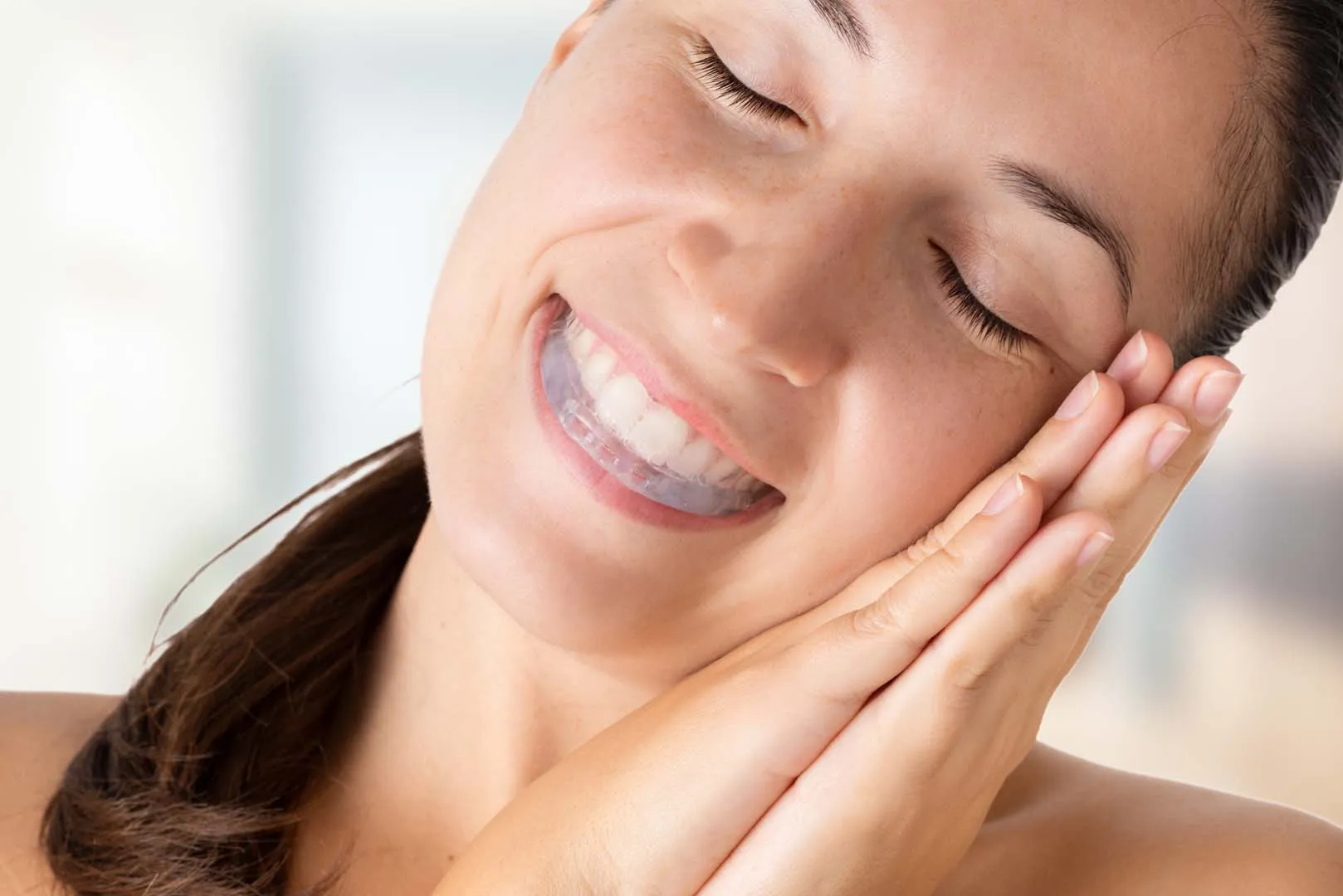
Custom Night Guards and Splints
Precisely designed oral appliances that prevent tooth contact during sleep, relax jaw muscles, and allow the joint to reposition. Fabricated from digital impressions for exact fit.

Bite Adjustment (Equilibration)
Gentle reshaping of specific tooth surfaces to eliminate the contacts that trigger muscle overactivity. Often produces rapid, lasting relief.
.webp)
Orthotic Appliances
Used to reposition the jaw into a more physiologic position during healing, worn either full-time or at night depending on severity.
Coordinated Restorative Care
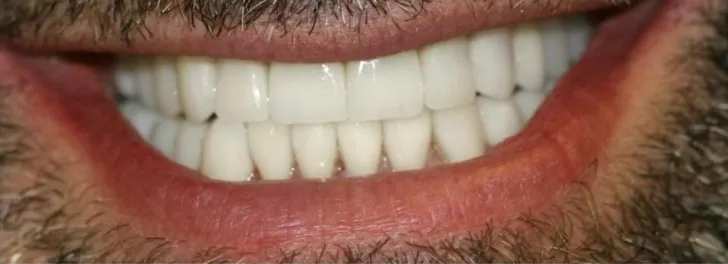
When worn or missing teeth have disrupted the bite, we rebuild the bite with crowns, orthodontics, or other restorations to create lasting alignment.

Muscle Therapy and Trigger Point Injections
For patients with significant muscle tension, targeted therapy releases spasm and accelerates recovery.
Patient Education and Habit Modification
Teaching you to recognize and stop daytime clenching, adopt protective postures, and use home care strategies that support healing.
Before & After Smile Transformations
.webp)


.webp)
.webp)

.webp)
.webp)
.webp)

Why Your Headaches Might Actually Be a Bite Problem
Temporomandibular joint (TMJ) disorders are a family of conditions affecting the jaw joint, the muscles that control jaw movement, and the way your upper and lower teeth fit together. When those three things, joint, muscles, bite, do not work in harmony, the muscles compensate. Chronic muscle overactivity is the root of many symptoms most patients would never associate with dentistry:
- Chronic headaches or morning headaches
- Migraines that have not responded to medication or neurological treatment
- Pain behind the eyes or in the temples
- Ear pain, fullness, or ringing (tinnitus) with no apparent ear cause
- Tension or tightness in the neck and shoulders
- Dizziness or vertigo
- Jaw pain, clicking, popping, or locking
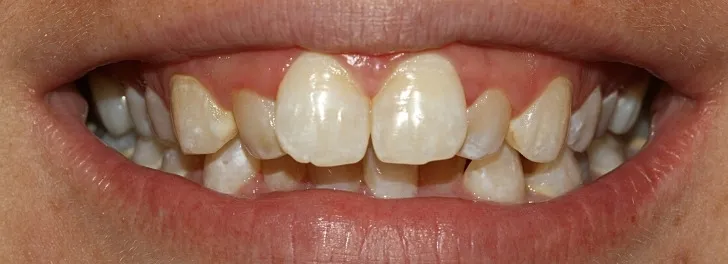
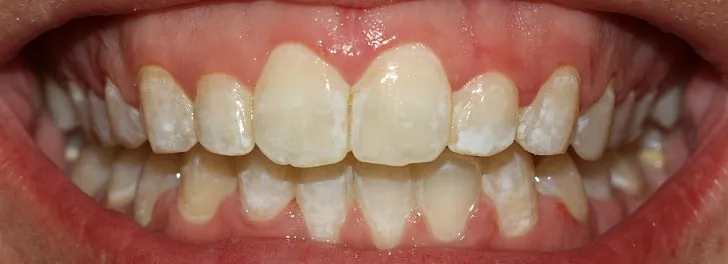
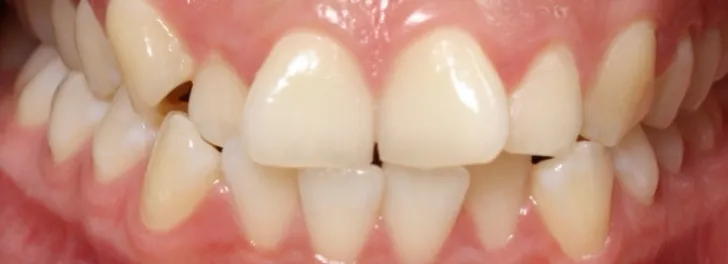
- Worn, chipped, or cracked teeth from grinding
- Facial pain or facial muscle fatigue
- Teeth that feel like they no longer fit together correctly
TMJ disorder is sometimes called “the great imposter” because its symptoms mimic other conditions (tension headaches, sinus pressure, ear problems, even migraines), leading to years of misdiagnosis and ineffective treatment. Many of our patients arrive after years of MRIs, neurology visits, ENT consultations, and medication trials that never resolved the underlying cause.
Why Our Approach Delivers Lasting Relief
Most TMJ treatments, including Botox, pain medications, and generic night guards, only mask symptoms. When you stop the treatment, the pain returns. Our philosophy is different: we identify and fix the underlying bite conflict, which produces permanent relief for most patients without ongoing drug or surgical intervention.
The key is accurate diagnosis. If your bite is the cause, correcting the bite eliminates the pain. If something else is causing your symptoms, we identify that too and refer you to the right specialist. Either way, you get real answers rather than another Band-Aid.

Meet Dr. Jerry Simon, Our Headache and TMJ Specialist
Dr. Jerry Simon founded Dental Care of Stamford and has specialized in TMJ and headache disorders for over 30 years. He is the author of Stop Headaches Now, and his approach combines proven diagnostic tools with non-invasive treatments that address root causes rather than symptoms. Learn more about Dr. Simon and our team and schedule your consultation with the specialist who has helped patients from across the country find lasting relief.
When to Seek Care
Do not wait for TMJ symptoms to become disabling. Early treatment is easier and produces better outcomes. If you have chronic headaches, jaw pain, unexplained ear symptoms, or your partner tells you that you grind your teeth at night, a TMJ and headache evaluation is worth scheduling. Many patients tell us they wish they had come in years earlier.
Common patients who benefit include:
- Chronic headache or migraine sufferers whose imaging and neurology workups came back normal
- Patients told their pain has no dental cause but who still suffer
- Adults with unexplained ear pain, tinnitus, or fullness
- Patients whose teeth are noticeably worn, chipped, or cracked
- People whose partners hear them grinding at night
- Anyone with jaw clicking, popping, or locking

Treatment Cost
Cost varies widely by severity and the approach needed. A diagnostic consultation with Best Bite Discluder testing is a starting point. Custom night guards typically range from $400 to $800. Bite equilibration ranges from $500 to $2,000 depending on complexity. More comprehensive cases involving full bite reconstruction can range higher. Many medical insurance plans cover part of TMJ treatment, and dental insurance often covers appliances. We review costs and coverage transparently before any treatment begins. See our financing options for payment plans on larger cases.
Coordinated Care With Our Full Team
TMJ treatment often intersects with other dental disciplines. When bite correction involves crowns or dentures, our restorative team steps in. When orthodontic repositioning is needed, our adult orthodontics team handles it. When grinding has caused extensive tooth wear, our cosmetic team rebuilds worn surfaces. This in-house coordination means one plan, one team, and seamless execution across every phase.

Serving Stamford and Greater Fairfield County
Our patients come from across Stamford (06901, 06902, 06903, 06905, 06907), from Greenwich, Darien, New Canaan, Norwalk, Westport, and from Westchester County, NY. Many travel specifically for Dr. Simon’s expertise and our non-invasive approach to jaw pain and headaches.
Frequently Asked Questions
Yes. Studies show that over 70 percent of chronic head, neck, and facial pain, including many migraines, originates from overactive jaw muscles and bite imbalances. Patients whose headaches have not responded to neurological or medical treatment often find lasting relief through TMJ treatment that addresses the underlying bite conflict.
Common signs include jaw pain, clicking or popping when chewing, jaw locking, chronic headaches, ear pain without an obvious cause, and worn or cracked teeth. A TMJ evaluation at our office uses a clinical exam plus the FDA-approved Best Bite Discluder diagnostic to quickly identify bite-related pain.
No. Most TMJ treatment is non-invasive and does not involve surgery or injections. Night guards, bite adjustments, and orthotic appliances are all comfortable. Patients typically report noticeable improvement within days to weeks, with no significant discomfort during treatment.
Almost never. TMJ surgery is reserved for severe cases involving structural joint damage that has not responded to conservative care. At Dental Care of Stamford, most TMJ patients respond fully to non-invasive treatment; in over 30 years of practice, Dr. Simon has rarely needed to recommend surgery.
Botox can temporarily reduce muscle spasm, but it does not address the underlying bite conflict that causes most TMJ symptoms. When Botox wears off, symptoms typically return. Our approach identifies and fixes the root cause, producing lasting relief without repeat injections.
A diagnostic consultation is the starting point. Custom night guards typically range from $400 to $800. Bite equilibration ranges from $500 to $2,000. Comprehensive cases involving full bite reconstruction can range higher. Many medical and dental insurance plans cover part of TMJ treatment.
Yes, if your headaches persist. Many patients who have been through neurology workups without resolution turn out to have bite-driven pain. The Best Bite Discluder diagnostic often reveals in a single visit whether your bite is contributing. It costs little to find out.
Schedule Your TMJ and Headache Evaluation
Call (203) 324-6171 to schedule an evaluation. If your bite is the source of your pain, we can often give you an answer in a single diagnostic visit.