
Root Canals in Stamford, CT | In-House Endodontic Root Canal Therapy
Modern, comfortable root canal therapy from in-house endodontic specialists, saving teeth that would otherwise need extraction, in a single visit when possible.


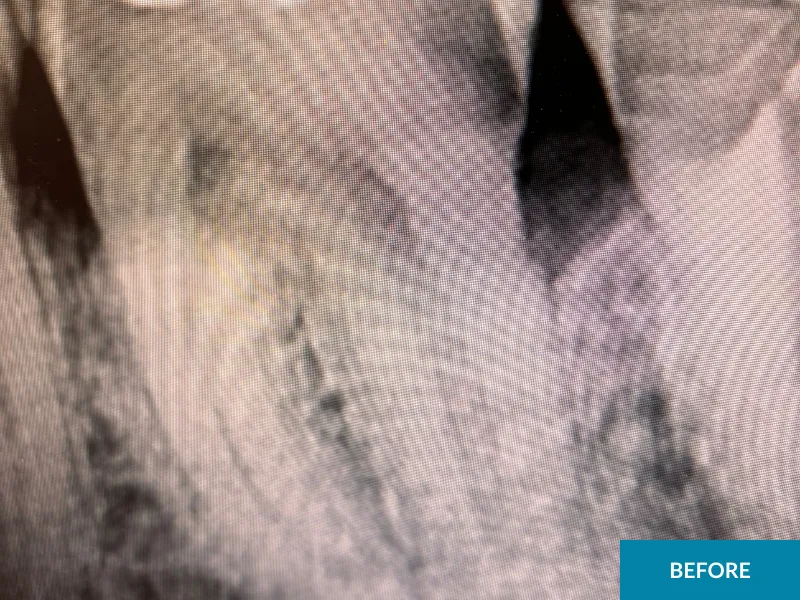


A root canal is a dental procedure that saves a tooth whose nerve has become infected, inflamed, or damaged by decay, trauma, or repeated dental work. The procedure removes the diseased pulp from the inside of the tooth, cleans and disinfects the internal canals, and seals them with a biocompatible material. A crown is typically placed afterward to restore the tooth’s strength. At Dental Care of Stamford, root canal therapy is performed by experienced endodontic specialists using modern rotary instrumentation, 3D imaging for complex cases, and techniques that make the procedure about as comfortable as a large filling. Most single-canal root canals are completed in one visit of 60 to 90 minutes. More complex molar cases may require a second appointment.
Root canals are the core service of our broader endodontic program.
Why Root Canals Save Teeth
When the pulp inside a tooth becomes infected, it cannot heal on its own. Without treatment, the infection spreads through the root tip into the surrounding bone, causing severe pain, swelling, and eventually tooth loss, often with risk of spreading infection to other parts of the body. Root canal therapy stops the infection, saves the natural tooth, and preserves the surrounding bone. Saving the natural tooth is almost always preferable to extraction and replacement, which costs more over time and requires either a bridge or implant to restore function.
Signs You May Need a Root Canal
- Severe tooth pain, especially when biting down or chewing
- Prolonged sensitivity to hot or cold that lingers after the stimulus is removed
- A pimple-like bump on the gums near the tooth
- Swelling around the gums or in the face
- Tooth discoloration (darkening) compared to surrounding teeth
- A deep cavity that has reached the pulp
- A cracked or fractured tooth with pulp exposure
- Lingering pain after a recent filling or crown
The Root Canal Procedure
Diagnosis and imaging: Digital X-rays and, for complex cases, 3D cone-beam CT imaging confirm the diagnosis and map the tooth’s root anatomy.
Local anesthesia: The tooth and surrounding area are fully numbed. Modern root canals are no more uncomfortable than a large filling.
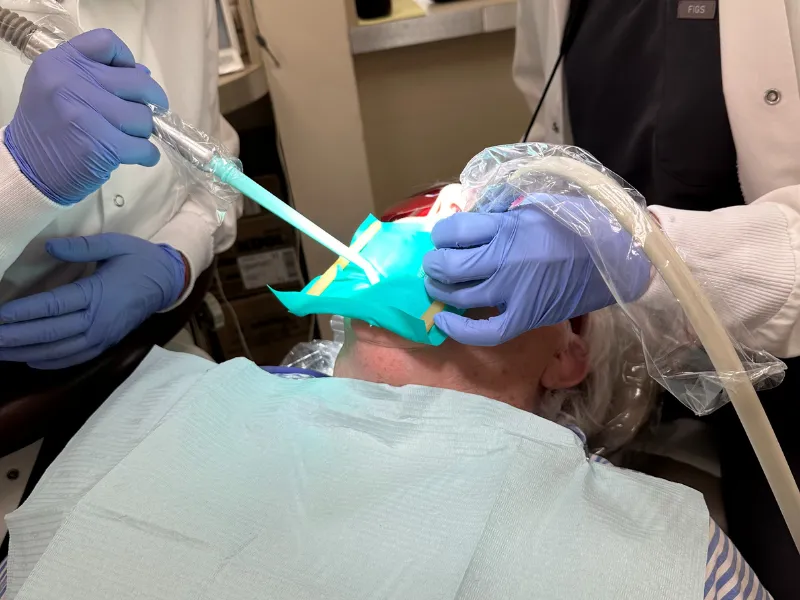
Isolation: A small protective sheet isolates the tooth and keeps it dry and clean throughout the procedure.
Access and cleaning: A small opening is made in the tooth. Rotary files and irrigation solutions remove infected pulp and clean the canals thoroughly.
Disinfection: Antimicrobial irrigants eliminate bacteria from the canal system.
Filling and sealing: The cleaned canals are filled with a biocompatible rubber-like material called gutta-percha and sealed.
Temporary and permanent restoration: A temporary filling closes the access point. At a follow-up appointment (typically two to four weeks later), a custom crown is placed to restore full strength.
Root Canal Cost in Stamford
Root canal cost varies by tooth location. Front teeth (incisors and canines) typically range from $900 to $1,200. Premolars range from $1,100 to $1,400. Molars (which have more canals and complex anatomy) range from $1,400 to $1,800. A crown after the root canal typically adds $1,200 to $1,800. Most PPO insurance plans cover root canal therapy at 50 to 80 percent. For larger cases, financing through CareCredit and Cherry is available through our financing options.
Root Canals vs. Tooth Extraction
When a tooth’s pulp is infected, the choice is typically between root canal therapy (saving the tooth) or extraction (removing the tooth). Root canals are almost always the better choice when the tooth is otherwise structurally sound. They preserve the natural tooth, surrounding bone, and adjacent tooth positions. Extraction costs less upfront but requires later replacement with a dental implant or bridge to restore function, which costs significantly more over time.
The Importance of the Crown After a Root Canal
A tooth that has had a root canal is more brittle than a living tooth because the internal blood supply that keeps dentin hydrated and flexible is gone. Without the protection of a crown, a root-canal-treated tooth is at high risk of fracture. We strongly recommend a dental crown after every molar or premolar root canal, and for any front tooth with significant loss of structure.
Who Is a Good Candidate?
Root canal therapy is appropriate for most patients with an infected or damaged tooth pulp, including:
- Patients with severe, persistent tooth pain
- Patients with a deep cavity that has reached or is close to the pulp
- Patients with a cracked tooth that has exposed the pulp
- Patients with a traumatic tooth injury that has killed the nerve
- Patients whose tooth is otherwise structurally sound enough to restore
Who Is NOT a Good Candidate?
Extraction is the better choice when:
- The tooth has extensive decay or fracture below the gumline
- The root itself is cracked vertically (a tooth that cannot be saved)
- The tooth has severe periodontal disease with advanced bone loss
- The tooth has failed previous root canal treatment multiple times
- The patient has medical conditions that preclude endodontic procedures
After Your Root Canal
Most patients return to normal activities within 24 hours. Mild tenderness when biting is normal for two to four days and managed with over-the-counter pain medication. Avoid chewing on the treated side until the permanent crown is placed, as the temporary filling is more likely to fracture under heavy force. Good oral hygiene around the treated tooth is essential. Expect to return in two to four weeks for your permanent crown.
Sedation for Anxious Patients
Patients with dental anxiety often worry more about root canals than any other procedure. Modern root canals are far more comfortable than their reputation suggests, but we also offer sedation options including nitrous oxide, oral conscious sedation, and IV sedation. Sedation is available for any root canal patient who would benefit from extra comfort.
Serving Stamford and Fairfield County
Our patients come from across Stamford (06901, 06902, 06903, 06905, 06907), from Greenwich, Darien, New Canaan, Norwalk, Westport, and from Westchester County, NY. Many patients specifically choose us because our endodontic and restorative care happens under one roof.
Frequently Asked Questions
How much does a root canal cost in Stamford?
Root canal cost at Dental Care of Stamford ranges from $900 to $1,800 depending on tooth location. Front teeth are simpler and less expensive; molars have more canals and cost more. A crown after the root canal typically adds $1,200 to $1,800. Most PPO plans cover root canal therapy at 50 to 80 percent.
Are root canals painful?
No. Modern root canals are about as comfortable as having a large filling placed. The procedure is performed under local anesthesia, so the tooth and surrounding tissue are fully numb. The pain most patients associate with root canals is actually from the infection that preceded treatment, which the root canal actually relieves.
How long does a root canal take?
Most single-canal root canals (front teeth) are completed in 60 to 90 minutes. Premolar root canals typically take 90 to 120 minutes. Molar root canals with multiple canals may require a second appointment of similar length. Treatment complexity determines whether one visit or two is recommended.
Will I need a crown after my root canal?
Yes, in almost all cases. A tooth that has had a root canal is more brittle and prone to fracture without crown protection. We strongly recommend a crown for every molar or premolar root canal and for any front tooth with significant structural loss. Without a crown, the tooth is at high risk of splitting.
How long does a root-canal-treated tooth last?
A properly treated and crowned root canal tooth can last a lifetime. Long-term success rates for root canal therapy exceed 90 percent when followed by a crown and good oral hygiene. Routine professional cleanings and home care protect the investment. Some cases benefit from retreatment years later if a new infection develops.
We are out-of-network with most PPO dental plans but still accept and file claims with all major carriers including Delta Dental, Aetna, Cigna, MetLife, Guardian, and more. Most PPO patients receive significant coverage at our office, and we verify specific benefits before every new patient visit.
Schedule Your Root Canal Evaluation
Call (203) 324-6171 to schedule a root canal evaluation. Same-day appointments for severe pain are typically available.